

Maintaining Bolt Preload
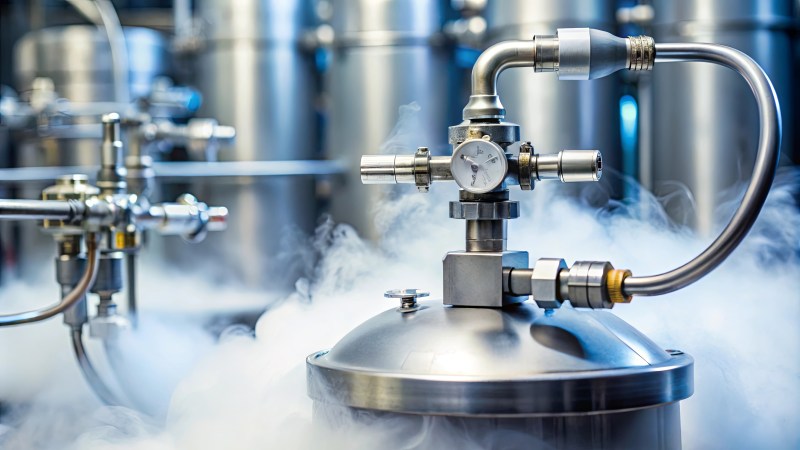
In cryogenic systems, bolted joints are more than a mechanical convenience. They are a critical part of both structural integrity and thermal performance. However, what works at room temperature does not always hold up at 4 Kelvin. As components contract due to extreme cooling, bolts can lose preload, joints can loosen, and assemblies that were tightly clamped during fabrication may begin to shift or separate.
Getting Heat Out Fast: Thermal Contact Engineering for Cryogenic Systems

At cryogenic temperatures, even small thermal resistances can have a significant impact on system performance. When the goal is to cool a superconducting component to 4 Kelvin, every layer of material and every mechanical interface in the thermal path must be designed for maximum conductivity. That is why thermal contact engineering is one of the most critical elements of coldmass design.
In this post, we will explore how Re:Build DAPR analyzes thermal resistance across materials and joints, and how we optimize stack-ups, fasteners, and thermal interface materials to ensure rapid and reliable heat transfer at cryogenic temperatures.
What Is the Coldmass? Engineering for the Extreme at Cryogenic Temperatures

In the world of cryogenic engineering, where systems operate at temperatures as low as 4 Kelvin, there is one term that defines the core of performance, reliability, and complexity: the Coldmass. At Re:Build DAPR, the Coldmass represents the heart of our most advanced cryogenic systems, serving as the central structure where thermal, electrical, and mechanical systems converge under extreme conditions.
The Hidden Challenges of Coil Winding for Superconducting Systems
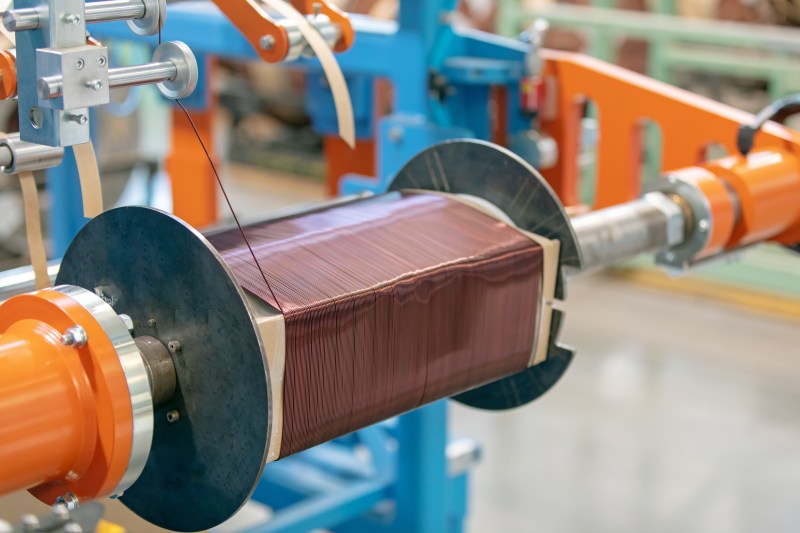
When building superconducting systems, coil winding is often treated as a technical afterthought, a simple fabrication step on the road to a functional magnet. But as we’ve seen at Re:Build DAPR, winding isn’t just about wrapping wire. It’s a delicate, high-stakes process that demands precision engineering, deep material understanding, and a proactive approach to process development.
Smarter Engineering Starts with the Right Process
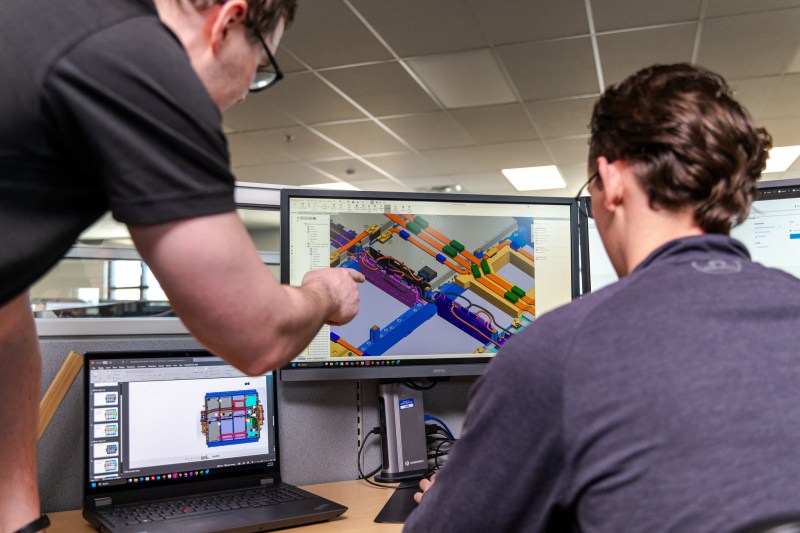
When engineering projects fall short, it’s rarely because the idea was flawed. It’s because the execution lacked structure, alignment, and visibility. At Re:Build DAPR, we believe that delivering successful, complex systems requires more than technical skill, it demands a disciplined process that keeps customers informed, risks under control, and project goals on track from day one.
A Practical Guide to Building Cryogenic Systems

Designing systems that operate at cryogenic temperatures, like 4 Kelvin, is unlike any other type of engineering. The rules change. Material behavior shifts. Even well-designed components can fail if they aren’t built to handle the unique mechanical, thermal, and physical conditions that exist near absolute zero. At Re:Build DAPR, we specialize in helping companies commercialize high-performance, physics-intensive products. Our work supporting the development of a superconducting subsystem for a next-generation medical device provided valuable insight into what it takes to design cryogenic hardware that not only performs at 4K, but also survives real-world handling, thermal cycling, and integration. Here’s what we’ve learned.
Exploring the Latest Trends in Electrical Engineering

Electrical engineering is a broad engineering discipline that deals with all aspects of electricity and electromagnetism, as well as the products and systems that use, store, and transport that electricity. Engineers in this field research, design, test, and oversee the production of electronics from large energy systems down to microscopic parts.
Choosing the Right Engineering Consultant
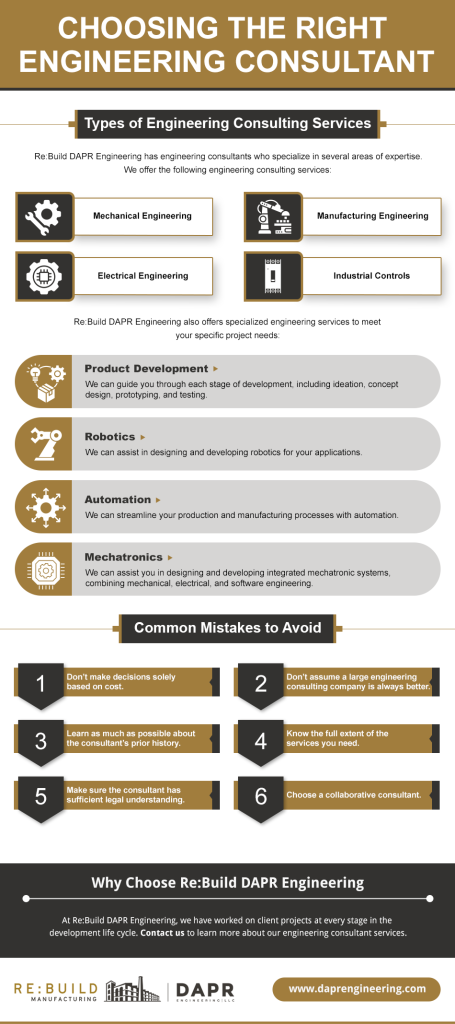
Selecting the right engineering consultant is critical to meeting your project’s goals. While engineering encompasses a broad field, engineering consultants focus on a single area of expertise. Before selecting an engineering consultant, consider the specific area your business requires assistance in and ask the appropriate questions to make your choice valuable.
Types of Industrial Machine Design
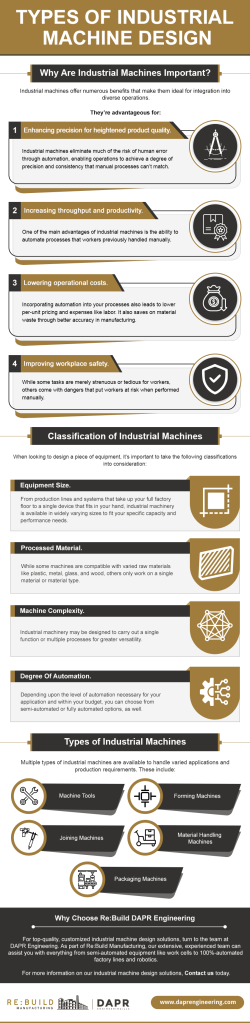
Manufacturing facilities and other industrial environments need high-performance machinery to facilitate, optimize, and potentially automate operations. The ability to streamline production, however, is highly dependent upon quality industrial machine design. Selecting the right size, design, and capabilities for your machinery, in addition to choosing a trusted partner in industrial equipment design, will help give your business a competitive edge, boost productivity and profits, and much more.