

The Hidden Challenges of Coil Winding for Superconducting Systems
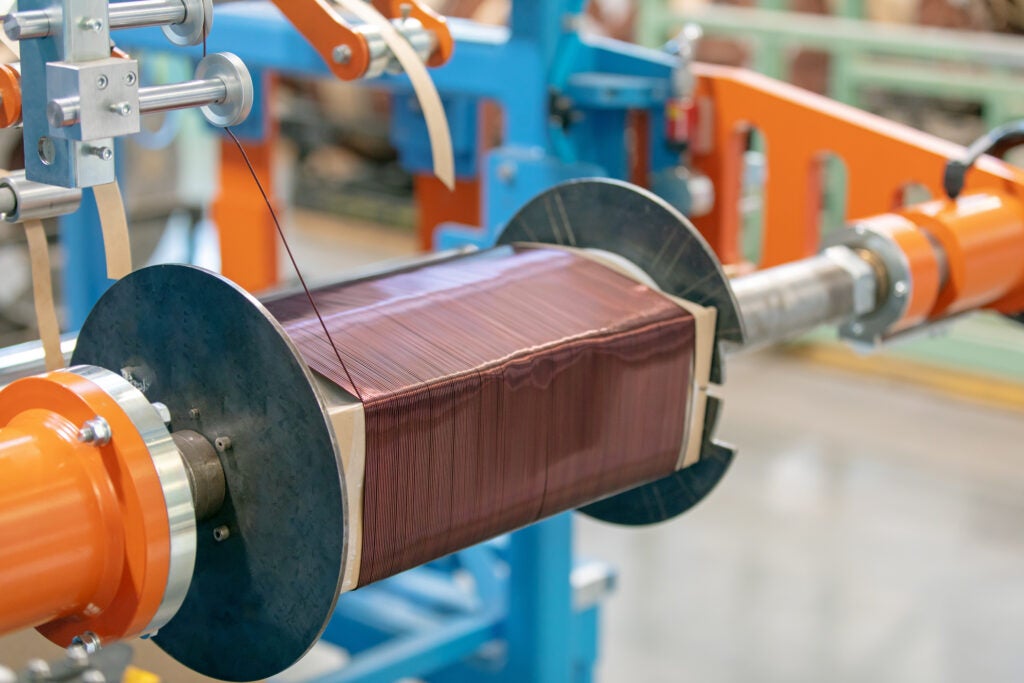
When building superconducting systems, coil winding is often treated as a technical afterthought, a simple fabrication step on the road to a functional magnet. But as we’ve seen at Re:Build DAPR, winding isn’t just about wrapping wire. It’s a delicate, high-stakes process that demands precision engineering, deep material understanding, and a proactive approach to process development.
Smarter Engineering Starts with the Right Process
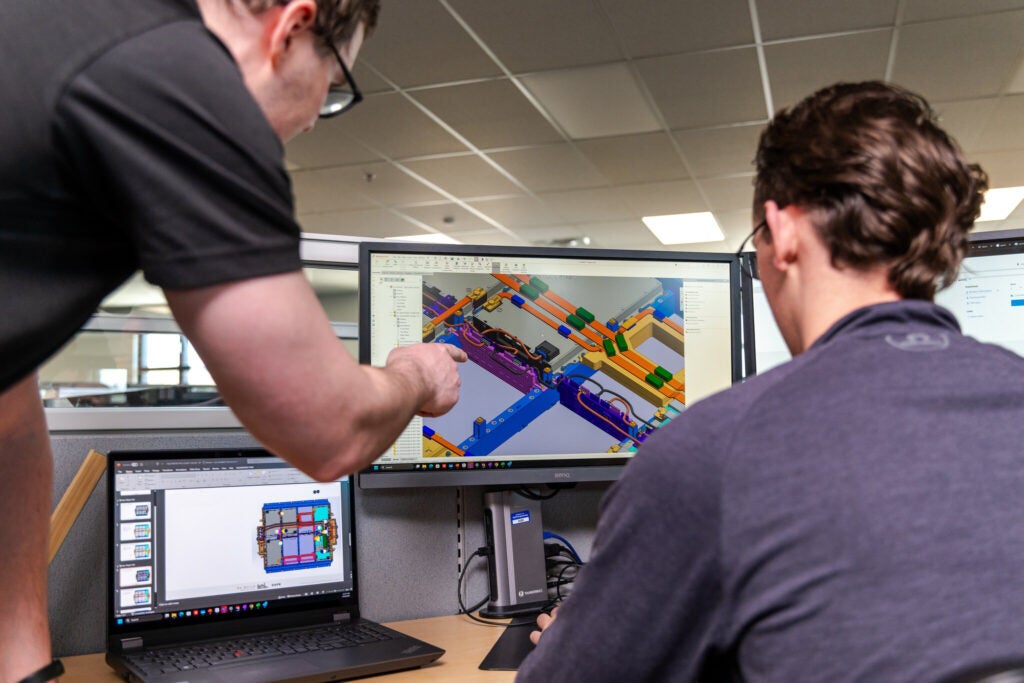
When engineering projects fall short, it’s rarely because the idea was flawed. It’s because the execution lacked structure, alignment, and visibility. At Re:Build DAPR, we believe that delivering successful, complex systems requires more than technical skill, it demands a disciplined process that keeps customers informed, risks under control, and project goals on track from day one.
A Practical Guide to Building Cryogenic Systems

Designing systems that operate at cryogenic temperatures, like 4 Kelvin, is unlike any other type of engineering. The rules change. Material behavior shifts. Even well-designed components can fail if they aren’t built to handle the unique mechanical, thermal, and physical conditions that exist near absolute zero. At Re:Build DAPR, we specialize in helping companies commercialize high-performance, physics-intensive products. Our work supporting the development of a superconducting subsystem for a next-generation medical device provided valuable insight into what it takes to design cryogenic hardware that not only performs at 4K, but also survives real-world handling, thermal cycling, and integration. Here’s what we’ve learned.